If you have spent any time researching vape hardware, you have probably seen the terms MTL and DTL tossed around. These two acronyms — Mouth-to-Lung and Direct-to-Lung — describe fundamentally different ways to inhale vapor, and understanding the distinction is the single most important decision you will make when choosing a device, tank, coil, and even e-liquid.
In this comprehensive guide, we break down exactly how MTL and DTL vaping work, what hardware each style requires, and how to pick the right approach for your preferences and goals.
What Is MTL (Mouth-to-Lung) Vaping?
Mouth-to-Lung vaping mimics the draw of a traditional cigarette. You pull vapor into your mouth first, hold it briefly, and then inhale it into your lungs. The airflow is tight and restrictive, which creates a firm, satisfying draw that feels natural to anyone transitioning from smoking.
How MTL Works Mechanically
MTL devices use coils with higher resistance — typically between 0.8 and 1.8 ohms. These coils operate at lower wattages (usually 8 to 25 watts), which means less power consumption and longer battery life. The narrow airflow channel forces air through a small opening, creating that characteristic tight pull.
Because the coil runs cooler and produces less vapor, MTL setups use significantly less e-liquid per session. If you are conscious of juice consumption, this matters — a 30mL bottle can easily last a week or more with MTL vaping.
Best Hardware for MTL Vaping
The ideal MTL setup pairs a compact device with a purpose-built tank or pod. Modern pod systems and starter kits are overwhelmingly designed for MTL vaping. Look for devices like the Uwell Caliburn G4 or the Vaporesso ECO NANO PLUS, both of which deliver an excellent MTL experience out of the box.
For tank enthusiasts who prefer a more traditional setup, dedicated MTL tanks pair beautifully with a compact mod. Coils like the Innokin Z Replacement Coils are specifically engineered for tight-draw, flavor-forward MTL vaping.
E-Liquid for MTL
MTL vaping works best with higher-PG e-liquids (50/50 or 60/40 PG/VG ratios) and higher nicotine strengths, including nicotine salts. The thinner consistency of higher-PG juice wicks efficiently through the smaller coil ports, and because you are producing less vapor per puff, a stronger nicotine concentration delivers satisfying throat hit without harsh coughing. Check out our PG/VG ratio guide for a deeper look at how liquid ratios affect your experience.
What Is DTL (Direct-to-Lung) Vaping?
Direct-to-Lung vaping is exactly what it sounds like: you inhale vapor straight into your lungs in one continuous breath, similar to taking a deep breath of air. The airflow is wide open, the vapor production is massive, and the experience is dramatically different from MTL.
How DTL Works Mechanically
DTL devices use sub-ohm coils — coils with a resistance below 1.0 ohm, commonly between 0.15 and 0.5 ohms. These coils fire at significantly higher wattages (40 to 200+ watts), heating more e-liquid faster to produce thick, dense clouds. To learn more about how resistance and power interact, see our best vape tanks guide, which covers sub-ohm performance in detail.
The wide-open airflow channels in DTL tanks allow massive amounts of air to pass across the coil simultaneously, cooling the vapor and making those high-wattage hits comfortable to inhale directly. This is where you see vapers producing the huge clouds that have become iconic in the community.
Best Hardware for DTL Vaping
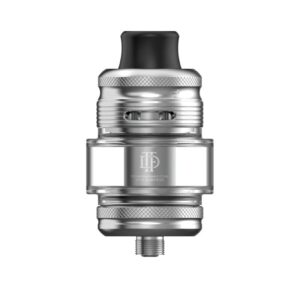
DTL vaping demands more powerful hardware. A quality box mod paired with a sub-ohm tank is the classic DTL setup. The Vaporesso ARMOUR ULTRA 100W Kit is an outstanding all-in-one option, while the GeekVape Z Sub-Ohm Tank 5 is a standout tank for flavor chasers who want to pair it with their favorite mod.
Mesh coils have transformed DTL vaping in recent years. Products like the GeekVape Z Series Replacement Coils and FreeMax X1 Mesh Coils use a flat mesh strip instead of traditional wire, distributing heat evenly across a larger surface area. The result is better flavor, faster ramp-up times, and improved coil longevity. Our coils and wicking guide covers how mesh technology works in greater depth.
E-Liquid for DTL
DTL vaping calls for high-VG e-liquids — 70/30 or 80/20 VG/PG ratios are standard. The thicker vegetable glycerin produces the dense vapor clouds DTL vapers want, and the lower nicotine strengths (typically 3mg or 6mg freebase) prevent the nicotine hit from becoming overwhelming when you are inhaling large volumes of vapor.
MTL vs DTL: Head-to-Head Comparison
| Feature | MTL | DTL |
|---|---|---|
| Draw Style | Tight, cigarette-like | Open, deep breath |
| Coil Resistance | 0.8 – 1.8Ω | 0.15 – 0.5Ω |
| Wattage Range | 8 – 25W | 40 – 200W+ |
| Vapor Production | Moderate, discreet | Large, dense clouds |
| Throat Hit | Strong and pronounced | Smooth and mild |
| Best Nicotine Type | Nic salts (20–50mg) | Freebase (3–6mg) |
| Ideal PG/VG Ratio | 50/50 or 60/40 | 70/30 or 80/20 |
| Juice Consumption | Low (5–10mL/day) | High (15–30mL/day) |
| Battery Life | Excellent | Moderate to short |
| Device Size | Compact, pocketable | Larger, heavier |
| Flavor Profile | Concentrated, nuanced | Rich, expansive |
| Best For | Ex-smokers, stealth vaping | Cloud chasers, hobbyists |
Flavor Differences: Which Style Tastes Better?
This is the question everyone asks, and the honest answer is: it depends on what you mean by “better.” MTL vaping concentrates flavor into a smaller volume of vapor, which can make individual notes — a hint of vanilla, a tart berry finish — more distinct and defined. DTL vaping spreads flavor across a much larger volume, creating a fuller, more immersive taste experience that fills your mouth and lungs simultaneously.
Many experienced vapers keep one device for each style. A pocket-friendly pod system for MTL during the workday, and a powerful box mod setup for DTL cloud sessions at home. If you are still deciding, check out our best pod systems 2026 roundup for top-rated MTL options.
Restricted DTL: The Middle Ground
There is a third category worth knowing about — Restricted Direct-to-Lung (RDTL or RDL). This hybrid style uses slightly tighter airflow than full DTL but looser than MTL. Coil resistance typically falls between 0.4 and 0.8 ohms, and wattage ranges from 25 to 45 watts.
RDTL is increasingly popular because it combines the flavor concentration of MTL with moderate vapor production. Many modern pod mods and AIO (All-In-One) devices ship with RDTL coils by default. The VooPoo VINCI E120 is a perfect example — it supports everything from tight MTL to open DTL depending on which coil and airflow setting you choose.
Which Style Should You Choose?
Choose MTL If You:
- Are transitioning from cigarettes and want a familiar draw
- Prefer discreet vaping without large clouds
- Want longer battery life and lower juice consumption
- Enjoy strong throat hit with nic salts
- Prefer compact, pocket-friendly devices
Choose DTL If You:
- Enjoy producing large vapor clouds
- Prefer smooth, low-nicotine inhales
- Want maximum flavor immersion
- Are interested in tanks, RDAs, and advanced hardware
- View vaping as a hobby, not just nicotine delivery
Choose RDTL If You:
- Want moderate clouds without the extremes of either style
- Like versatile devices that can do both
- Are upgrading from a basic pod system but not ready for full sub-ohm
Coil Compatibility: Make Sure Your Hardware Matches
One of the most common mistakes new vapers make is pairing an MTL coil with DTL settings or vice versa. If you put a 1.2-ohm MTL coil into a mod set to 80 watts, you will burn the coil instantly. Conversely, running a 0.2-ohm DTL coil at 12 watts will produce virtually no vapor.
Always check the recommended wattage range printed on the coil or its packaging. Our coil maintenance guide walks through how to identify the right coil for your setup and when to replace it for optimal performance.
Final Thoughts
MTL and DTL are not about one being better than the other — they are about matching your hardware to your vaping preferences. Smokers making the switch almost always start with MTL and may never leave it. Cloud enthusiasts gravitate toward DTL and its powerful sub-ohm hardware. And the growing RDTL middle ground proves there is room for everyone.
The best approach is to start with whatever feels most natural, invest in quality hardware from the beginning, and experiment as your preferences evolve. Browse our full selection of vape devices and starter kits to find the perfect match for your style.